
Why GFCI Outlets Fail in Texas Homes & When You Should Replace Them
Homes in Joshua, Texas, as well as surrounding cities like Burleson, Cleburne, Crowley, and Godley, rely heavily on modern electrical safety devices — and one of the most important is the GFCI outlet. These are required in bathrooms, kitchens, garages, outdoor areas, and anywhere moisture is present.

Yet many homeowners don’t realize that GFCIs wear out. They are not lifetime devices, and when they fail, they stop protecting your home from shock hazards.
GFCI outlets are not lifetime devices and wear out over time, with a typical lifespan of 15 to 25 years, though they can fail sooner. They degrade due to factors like frequent use, moisture, electrical surges, and age, and need to be tested monthly and replaced when they no longer work properly.
Unfortunately, many homeowners think, “It still works, so it must be fine.” But that’s not always true. This article explains why GFCI outlets go bad, how to recognize failure signs, and why replacement by a licensed professional matters. We won’t give DIY instructions — because improper GFCI installation is one of the most common electrical mistakes homeowners make, and it can lead to fire, electrocution, or code violations. Instead, this will help you understand when to call in a licensed master electrician like D.W.D. Maintenance Services.
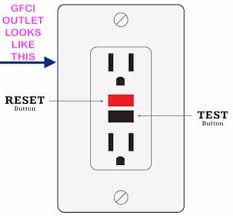
What a GFCI Does & Why It’s Required
A Ground Fault Circuit Interrupter protects you from electrical shock. It constantly monitors current flowing through a circuit. If it detects even a tiny imbalance — like electricity traveling through water or a person — it cuts the power instantly, often in 1/40th of a second.
This is why GFCIs are required by code in areas such as:
Kitchens
Bathrooms
Garages
Laundry rooms
Outdoor outlets
Basements
Near sinks or wet bars
When functioning properly, they save lives. But like smoke detectors, they wear out with age.

Why GFCIs Fail (Even If They Appear to Work)
Many GFCIs fail silently. They may still deliver power, but the safety mechanism inside no longer functions. Homeowners often don’t know this until an electrician tests them.
Common reasons for failure include:
1. Age
Most manufacturers recommend replacement every 7–10 years, but Texas heat and humidity can shorten this lifespan.
2. Frequent Tripping
High moisture areas or outdoor outlets tend to fail sooner because of increased trip activity.
3. Incorrect Installation
This is extremely common with DIY work. GFCIs must be correctly wired on LINE and LOAD terminals; if reversed, they may “work” but not protect you.
4. Weak Internal Components
Some brands and older models contain mechanical switches that wear down over time.
5. Exposure to Texas Weather
Outdoor GFCIs in the Joshua and Burleson areas often fail earlier due to heat, rain, and dust.
6. Inconsistent Voltage or Surges
If your panel or circuits are already stressed, GFCIs take the damage first.
Signs a GFCI Needs Replacement
Here’s what homeowners should look out for:
1. The Outlet Won’t Reset
If you press RESET and it won’t stay in, the device is failing internally.
2. The TEST Button Does Nothing
This is the biggest red flag. A working GFCI must trip when TEST is pressed.

3. GFCI Trips Frequently or Randomly
This could be a wiring issue, moisture intrusion, or internal damage.
4. Burning Smell or Discoloration
Immediate replacement is required.
5. The Outlet Feels Loose
Movement inside the box can lead to arcing.
6. Outdoor GFCIs Suddenly Stop Working
Weather exposure makes these the most common failures.
Why Replacement Is NOT a DIY Job
Homeowners often think swapping an outlet is simple. But GFCI replacement is one of the most common causes of dangerous mistakes.
Here’s why:
1. The LINE/LOAD Mistake
If you miswire these, the outlet may appear functional but provide zero protection.
2. GFCIs Must Be the FIRST Device in the Circuit
If it’s not installed in the correct location, downstream outlets won’t be protected.
3. Texas Code Requirements
Placement, box sizing, grounding, and protection standards must be met.
4. Permit Requirements
Some cities around Joshua require permits for electrical work — especially if circuits are being modified.
5. Insurance Issues
Some insurance companies deny claims when non-licensed electrical work is discovered after a fire.
This is why working with a licensed master electrician is essential. D.W.D. Maintenance ensures the circuit, wiring, grounding, and safety requirements are correct — not just that the outlet powers on.
How a Professional Tests GFCIs
When D.W.D. Maintenance Services inspects your home, we use professional diagnostic tools to check:
Trip thresholds
Load response
Internal relay condition
Wiring polarity
Ground continuity
Moisture intrusion
Downstream protection
The result is not just “the outlet works,” but “your home is safe.”

Typical Lifespan of GFCIs in Texas Homes
Because of heat, humidity, and outdoor exposure, most GFCIs in the Joshua area last closer to 5–7 years outdoors and 7–10 years indoors.
If your home was built or renovated more than a decade ago, you likely have some GFCIs that are no longer protecting you.
Final Thoughts
GFCI outlets may seem like a small part of your home, but they play a critical role in preventing electrical shock and fire. If you notice any symptoms of failure — or if your home hasn’t had them checked in several years — it’s time to schedule an inspection.
Working with a licensed master electrician like D.W.D. Maintenance ensures your home stays compliant, safe, and properly protected.
TECL#40448


Comments